
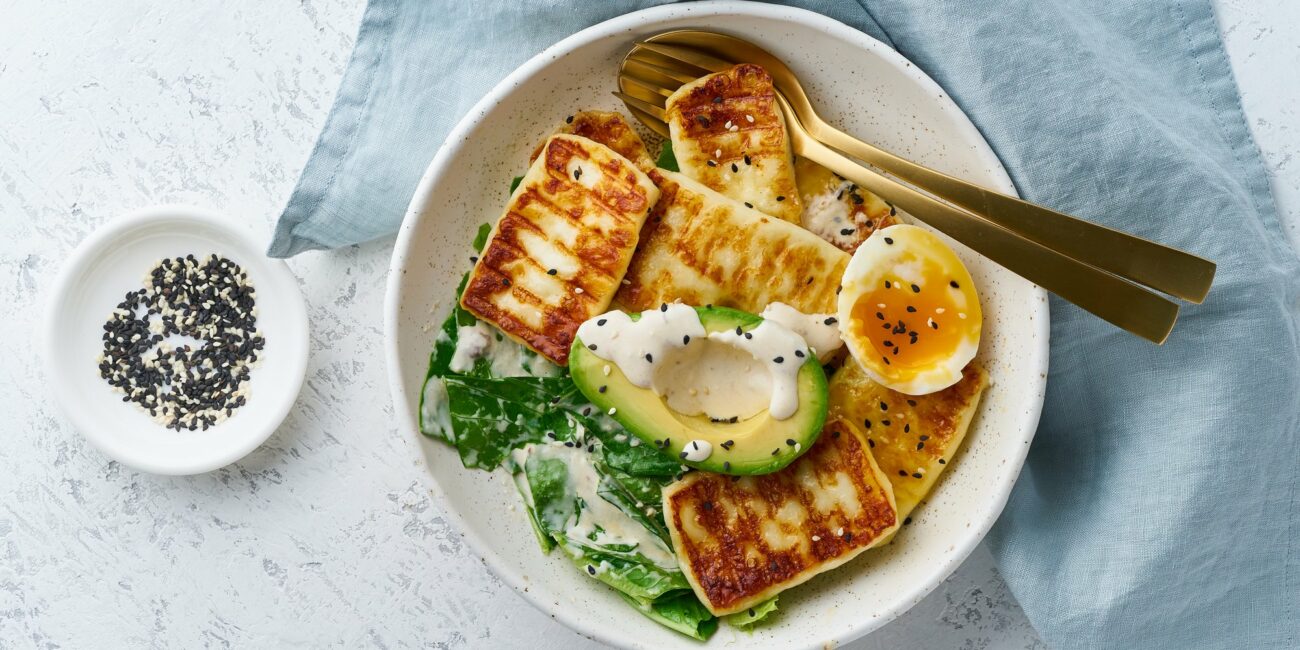
The keto diet is now totally popular, but many people make simple, small mistakes when starting this diet. Why? Because they don’t know enough about it and don’t have a plan that has been created specifically for them and fits their needs – this often happens with so-called „trend diets“.
The most well-known concept of this diet is that you should eat fewer carbohydrates and all the more protein and fat. But this is a pretty vague statement that is often misinterpreted when it comes to what you should really eat during the diet and what not.
What kind of fats should you eat? Should you NOT eat any carbohydrates at all? Are all protein sources the same? Are there any negative side effects?
We have put together a few tips here that answer these questions and remove some doubts that you may have at the beginning of your keto diet.
So, if you’ve just started your ketogenic diet and want to get the best possible results, then this is for you!
Let’s go!
1. Reduce your carbohydrate intake and increase the fat content in your food in a balanced way
If you switch to a ketogenic diet, it means that you eat significantly fewer carbohydrates and replace them with fats and proteins. This is a big change for your body.
If you eat fewer carbohydrates during your diet, your body will first consume glucose reserves and then start using the stored fat as an energy source. Once there are enough ketone bodies in our blood, we go into a metabolic state called „ketosis.“ While keto is a low carb diet, it’s definitely not a „no carb“ diet. Don’t completely ban carbohydrates from your diet.
2. Make sure you drink enough

Reducing your carbohydrate intake during the keto diet has a direct impact on your body’s fluid balance.
Our body stores carbohydrates with water. Since you now consume fewer carbohydrates, your water retention is also reduced. That is why it often happens that at the beginning of the keto diet there are symptoms of dehydration.
Make sure you drink more water a day than you normally would so you can avoid these symptoms and make sure your fluid balance stays in balance.
Electrolytes are essential minerals that your body desperately needs to balance fluid balance. During the ketogenic diet, your body finds it harder to get a sufficient amount of it from food and it quickly excretes it in the urine. The easiest way to avoid such a deficiency is to eat your food with more salt. You can also make isotonic drinks (without added sugars) and take ketogenic supplements.
3. Read about the side effects of the keto diet
In the first few days with your new diet, it may seem like you have the flu. It often happens that you are a bit weak or nauseous or that you also have headaches, muscle spasms, diarrhea or constipation.
When you go into ketosis, your body goes to the stored fat to produce tiny molecules called ketone bodies. Your body can use these ketones as an energy source instead of the glucose it otherwise gets from the carbohydrates.
The nutritionist Robert Santos-Prowse, who wrote the book „The Cyclical Ketogenic Diet“, puts it as follows: „If you suddenly deprive your body of the source of energy to which it is accustomed, it can lead to listlessness or confusion for a short time.“ Another thing that can exacerbate these symptoms is dehydration, which we mentioned in the second tip.
After a few days, your body will get used to this change and you will feel better again. During this change, however, you should rather not do intensive sports.
4. Eat foods that contain a lot of omega-3
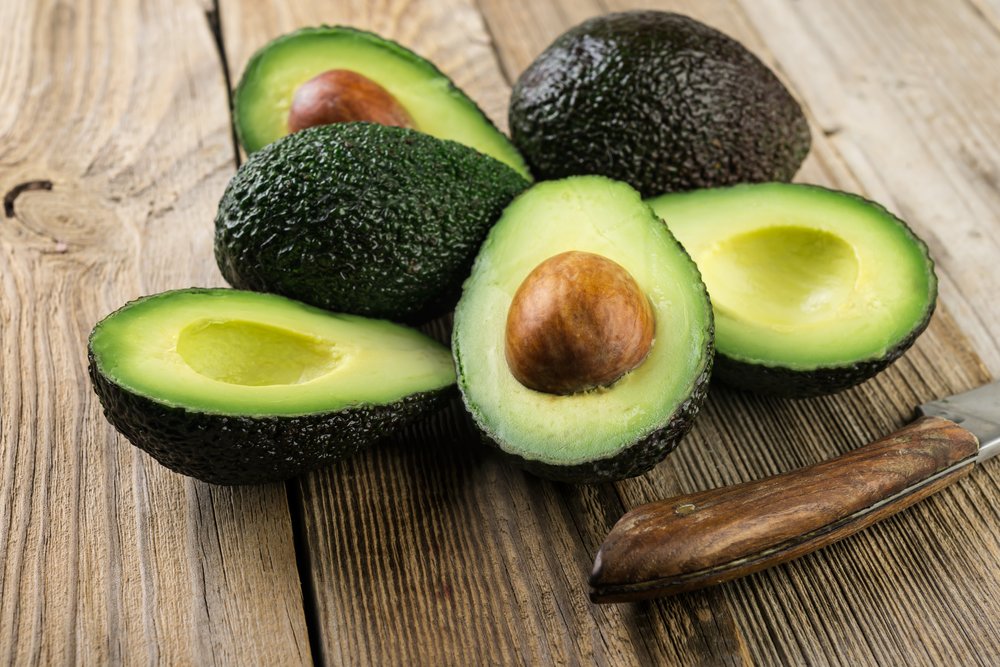
If you’re starting to eat a ketogenic diet, you should definitely eat foods that are high in omega-3s, especially those that contain EPA, ALA, and DHA.
Tuna, salmon and seafood, for example, contain a lot of omega-3. If you want to eat a vegetarian diet during your keto diet, you should incorporate chia seeds or chia oil into your diet. Flaxseeds and avocados are also rich in omega-3.
5. Be careful when consuming meat
Did you think the keto diet is all about proteins? That’s not quite true. Fats also play an important role, which brings us directly to an important principle that you should remember: You need fat to burn fat.
„With the keto diet, you practically swap the percentage of fats and carbohydrates in the diet,“ says Santos-Prowse. This means that you get 60% to 80% of your calories from fats and only 5% to 10% from carbohydrates.
The remaining 10% to 35% should come from protein sources. This is almost the same value as with normal carbohydrate-containing diets. Simply put, this means that your goal shouldn’t be to clap your plate with meat or chicken breast fillet.
But what should come on your plate instead? Each meal should contain about 85 to 115 grams of protein, such as beef, chicken breast fillet, fish, or pork. Which protein source you choose depends on your macronutrient needs.
Santos-Prowse recommends eating half a cup of low-starch vegetables with each meal (for example, green leafy vegetables, broccoli, or cauliflower) and a small serving of healthy fats (great sources of this include olive oil, nuts, or avocados).
6. Keep an eye on your consumption of cheese, bacon and processed meats

Some proponents of the keto diet rave about the fact that they can eat cheeseburgers with bacon without bread on a daily basis and still lose weight. However, this can lead to some health problems such as inflammation and cause blood sugar levels to skyrocket.
One of the benefits of the keto diet is that it can reduce inflammation, but processed meats and dairy products can make inflammation worse and they also have high sodium and nitrate levels.
Dairy products also increase our insulin levels, which is why blood sugar levels rise. This does not lead to what a ketogenic diet is supposed to do, but to the opposite.
If you want to follow a healthy keto diet, you should keep your consumption of processed meats to a minimum and be more likely to eat foods that do not contain nitrates. Dairy products should also only be consumed in moderation.
The most important thing at the end…
These tips will give you a good foundation for your keto start. However, always keep in mind that every body is different and reacts differently, which is why every diet and diet should be designed differently for different people.
If you want to achieve the best possible results with the ketogenic diet (and actually with any other diet), it would be best to have a personalized meal plan adapted to a person’s eating habits, health status, and needs.
There is currently a great way to do this: the „KetoCycle“ app. All you have to do is answer a short quiz so that the team can learn a little more about you and your needs. Then this team, consisting of professional nutritionists and fitness coaches, will create a plan for you that will be tailored to your preferences and needs from A to Z so that you can reach your desired weight.
 The facts were verified by the medical team
